
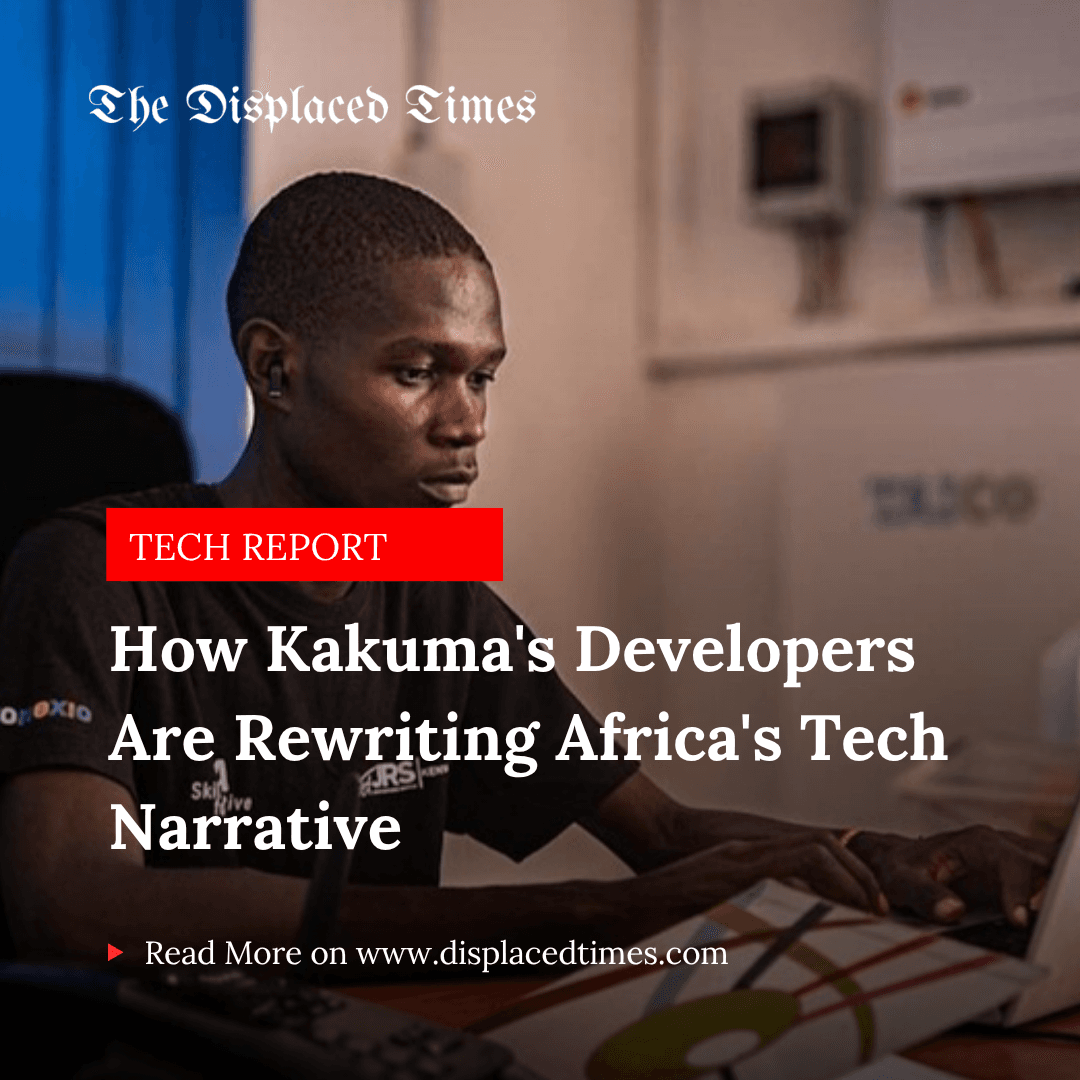
The Code Beyond the Camp: How Kakuma's Developers Are Quietly Rewriting Africa's Tech Narrative
By The Editors
Under the corrugated iron roofs of Kakuma, against the dry heat of northwestern Kenya, an unexpected sound competes with the desert wind: the rhythmic clatter of mechanical keyboards and terminal builds compiling in real time. For more than three decades, the global conversation surrounding displaced communities has been framed almost entirely by humanitarian metrics. But inside grassroots digital hubs across Kakuma, a new generation of technical architects and full-stack engineers is actively dismantling that narrative. Through frameworks like the International Trade Centre's PROPEL initiative, community engineering programs are bridging local digital storefronts with global supply chains. Displaced talent is demonstrating that economic sovereignty is achieved through code, enterprise, and community ownership.
Background
The origins of this technological awakening trace back to early vocational programs, such as those initiated by Don Bosco, which laid the groundwork for technical education in the camp. Initially focused on basic computer literacy and hardware repair, these programs have evolved dramatically. Today, they encompass advanced software engineering, cloud computing, and digital marketing. This shift reflects a broader recognition that digital skills offer a viable pathway to self-reliance in environments where traditional employment opportunities are severely restricted. The Turkana digital economy, once isolated, is now becoming increasingly integrated with regional and global networks, driven by the sheer determination and ingenuity of refugee developers.
Market Mechanics
The economic engine driving this transformation is built on a complex interplay of local entrepreneurship and global connectivity. Refugee developers are not just writing code; they are establishing digital agencies, building e-commerce platforms, and providing remote IT support to clients worldwide. The ITC PROPEL framework has been instrumental in facilitating this market access, offering mentorship, infrastructure support, and critical linkages to international supply chains. By bypassing traditional aid gatekeepers, these tech entrepreneurs are capturing a larger share of the value they create. This direct market access is fundamentally altering the economic dynamics within Kakuma, shifting the paradigm from aid dependency to active participation in the global digital economy.
Systemic Challenges
Despite these remarkable achievements, the path forward is fraught with systemic hurdles. Infrastructure remains a critical bottleneck, with unreliable electricity and expensive, limited internet connectivity hindering productivity. Furthermore, regulatory barriers often restrict refugees' ability to register businesses, open bank accounts, and process international payments. The lack of formal identification and legal status complicates every aspect of running a digital enterprise. Additionally, while remote work offers a lifeline, refugee freelancers frequently face bias and exploitation on global platforms, struggling to command fair market rates for their services. Addressing these systemic challenges requires coordinated action from policymakers, tech companies, and humanitarian organizations to create an enabling environment for refugee-led innovation.
Future Outlook
Looking ahead, the potential for technology to drive economic inclusion in displaced communities is immense. As internet access improves and digital literacy deepens, we can expect to see an explosion of homegrown tech solutions addressing local and global challenges. The success of Kakuma's developers serves as a powerful proof of concept, challenging the traditional humanitarian model and advocating for a more sustainable, market-driven approach to refugee support. By investing in digital infrastructure, advocating for policy reforms, and fostering direct connections between refugee talent and the global tech industry, we can unlock a vast reservoir of untapped potential. The code being written in Kakuma today is not just building software; it is architecting a more equitable and inclusive digital future.